

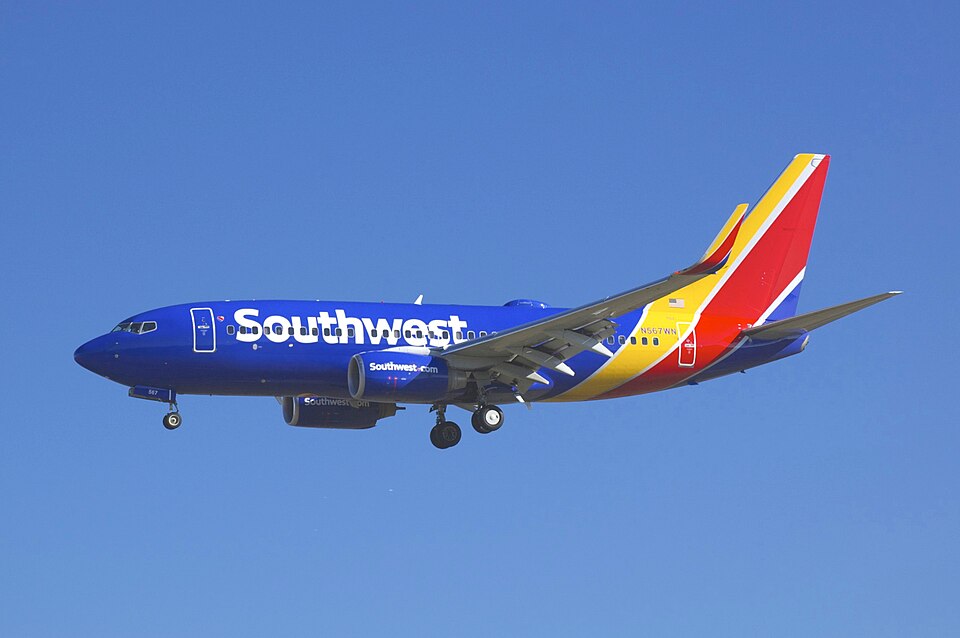
The flight was planned to minimise exposure to turbulence and thunderstorms, with the crew actively using onboard tools and ATC support to deviate around weather en route. However, rapidly developing convective cloud buildups reduced avoidance options, and the aircraft subsequently encountered severe turbulence. The captain attempted to warn the cabin crew, but only one flight attendant was able to secure themselves before the encounter. A flight attendant and a passenger in the aft galley sustained serious injuries, while another suffered minor injuries.
Meteorological analysis identified a broken line of embedded thunderstorms and a highly unstable airmass, with extreme convection below the aircraft and cloud tops extending to cruising altitude. Although in-flight weather advisories highlighting the risk of severe convective turbulence was issued, it did not reach the flight crew.
Air traffic control had sufficient radar capability to identify the hazard, and pre-shift briefings had warned of thunderstorms crossing the area. However, the responsible sector controller did not provide required weather information to the flight crew. This was likely due to high workload and sector congestion, driven by increased traffic and degraded communications capability.
A prior fire at a remote communications facility had resulted in the use of temporary low-power transmitters with limited coverage, causing transmission delays and “dead spots.” This led to repeated transmissions, increased controller workload, and frequency congestion within an already busy sector.
The NTSB probable cause was the flight crew’s inadvertent encounter with convectively induced turbulence associated with embedded thunderstorms. A contributing factor was the failure of ATC to provide timely weather information, influenced by sector saturation, communication limitations, and the inability to split the sector to reduce workload.
Photo Source: PlanespotterA320, Wikimedia, Creative Commons 4.0