

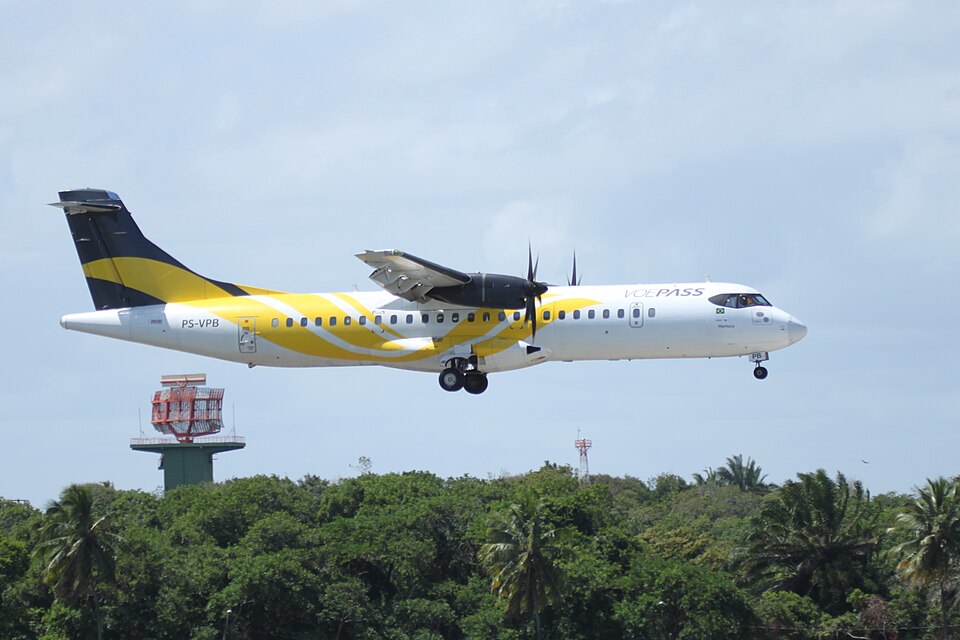
On 9 August 2024, an ATR 72-212A (PS‑VPB) operating from Cascavel to Guarulhos, Brazil, crashed in a residential area of Vinhedo after losing control in flight. The aircraft encountered severe icing conditions while cruising at FL170. Ice accumulation degraded the aircraft’s performance, leading to a stall, a flat spin and an unrecoverable descent. All 62 people on board perished, the aircraft was destroyed. The investigation identified a combination of technical, operational, organisational and regulatory factors.
The aircraft was dispatched with a known malfunction of the airframe de-icing system. Recurrent de-icing system defects were reportedly not consistently recorded in maintenance documentation, preventing effective corrective action.
The crew did not effectively respond to performance degradation and icing warnings. Required actions to manage icing-related airspeed deterioration were not taken. During the stall event, control inputs were made that were contrary to recovery procedures and aggravated the loss of control. The investigation cited shortcomings in threat management, situational awareness and crew resource management.
Weak safety oversight and inadequate management of recurring technical defects. Insufficient use of flight data monitoring to identify operational risks. Flight planning and operational decision-making did not adequately consider the icing threat in conjunction with the de-icing system defect. A culture of procedural deviation and normalisation of non-compliance had developed within the operator.
Previous findings and non-conformities identified during regulatory oversight had not effectively prevented the recurrence of unsafe practices. The investigation highlighted shortcomings in surveillance of maintenance and operational compliance.
Following the accident, ATR released APM (Aircraft Performance Monitoring) Version 2.0 software, improved detection of performance degradation caused by icing, enhanced warning presentation and retention of caution messages to improve pilot awareness and revised maintenance instructions relating to elevator position sensor installation and recording accuracy.
ANAC, the Brazilian Civil Aviation Authority initiated a review of Upset Prevention and Recovery Training (UPRT), including human factors aspects such as startle and surprise effects. Expanded Flight Data Monitoring requirements to include a wider range of aircraft operators. Increased oversight of the operator following the accident and subsequently revoked the operator’s Air Operator Certificate due to continuing safety and compliance concerns.
The report made several recommendations. To EASA, to revise degraded-performance procedures to require earlier and more decisive speed recovery actions in icing conditions. Review the use of LOW BANK mode during icing events to minimise stall risk. Require recording of additional critical parameters, including de-icing system faults, stick-pusher activations and key flight-control inputs. Review the prioritisation of icing-related alerts and warnings presented to flight crews.
To ANAC, to ensure operator procedures clearly define cruise speed-bug settings in icing conditions. Review relevant regulatory requirements highlighted by the investigation. Strengthen internal risk management and surveillance processes. Disseminate lessons from the accident, particularly regarding normalisation of deviation and safety drift. Monitor implementation of the EASA-related recommendations.
The report concludes that the accident was not caused by a single failure. Instead, it resulted from the combination of a known de-icing system defect, ineffective crew response to performance degradation in icing conditions, weaknesses in the operator’s safety management and maintenance culture, and shortcomings in oversight.
This accident is a powerful example of normalisation of deviation, where repeated acceptance of technical defects and procedural non-compliance gradually eroded safety margins until a catastrophic event occurred.
Photo source: IndiaEcho, CC BY 2.0 <https://creativecommons.org/licenses/by/2.0>, via Wikimedia Commons