

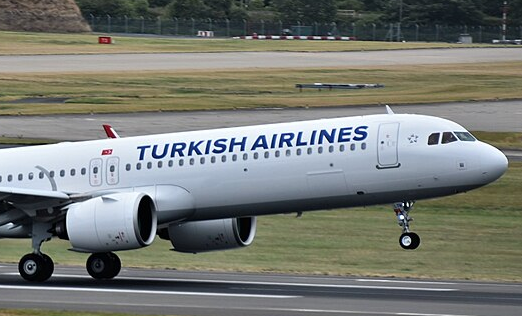
What Happened
Following a stabilised ILS approach to Dublin, Runway 28L, the aircraft drifted left of centreline during the flare and touched down initially on the left main landing gear. The aircraft subsequently bounced and touched down again on both main gears, continuing to deviate laterally.
Concerned about directional control, the Commander called for a go-around. The manoeuvre was initiated after touchdown (effectively a rejected landing). During the subsequent rotation, the aircraft exceeded its tail clearance limits and the tail struck the runway.
The crew climbed away, returned for a second approach, and landed safely. There were no injuries, but the aircraft sustained significant structural damage to the tail section.
Why It Happened
The primary cause was excessive pitch during the go-around, which exceeded the aircraft’s tail strike limit.
The go-around was initiated after both main landing gears had made contact with the runway. This created a dynamic, degraded-energy situation requiring rapid reconfiguration and control.
The Pilot Flying applied sustained full nose-up sidestick input during the go-around. When combined with TOGA thrust (which introduces a pitch-up effect), this resulted in a rapid increase in pitch angle.
An urgent, non-standard go-around command coincided with a ‘PITCH’ warning. This likely contributed to startle, increased workload, and a less measured control response.
Gusty conditions, including a decrease in crosswind and increase in tailwind just before touchdown, contributed to lateral drift and increased pilot workload in the flare.
The aircraft experienced a slight over-flare and reduced rate of descent prior to touchdown, followed by multiple touchdowns. During the go-around, the aircraft was rotated at a speed significantly below target approach speed (VAPP), increasing the risk of tail strike.
Safety Actions
The operator introduced enhanced simulator training focused on go-arounds near the ground, bounced and rejected landings and tail strike avoidance.
Photo Source: Alec Wilson Wikimedia Creative Commons 2.0