

A routine, habitual intersection departure mindset, combined with weak cross-checking, led to a take-off using incorrect runway performance data, highlighting the need for systematic, not memory-based, defences.
The crew calculated takeoff performance to depart using the full-length of the runway, but the aircraft departed from a runway intersection, i.e. with a shorter take off run. The crew did not notice this during the takeoff roll but it was identified later the same day by the operator’s Flight Data Monitoring (FDM) system.
When air traffic control asked if they were “intersection able”, the commander responded affirm, leading to the aircraft departing from Intersection Alpha, with significantly less available runway than planned. Neither pilot identified the mismatch during taxi, line-up, or the take-off roll. The aircraft became airborne safely.
The investigation found no evidence of time pressure or external distraction. Instead, the event was driven primarily by human factors, including habitual behaviour, confirmation bias, and over-reliance on memory-based checks. The crew were accustomed to intersection departures at Luton, and observing other aircraft using the same intersection reinforced this assumption. Critically, existing procedures did not require a robust cross-check between calculated performance and actual take-off position.
Safety action was taken by the operator to amend their operating procedures to trap this take-off performance error.
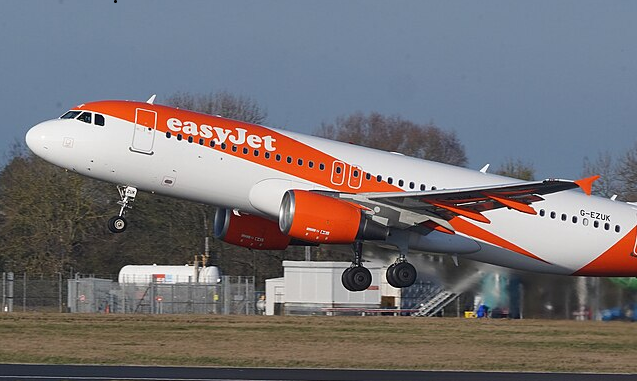
Photo Source: kitmasterbloke, Wikimedia, Creative Commons 2.0